Springe direkt zu Inhalt

News

Contact

Address
Freie Universität Berlin
John F. Kennedy Institute for North American Studies
Department of Economics
Lansstraße 7-9
14195 Berlin

Office
Kerstin Brunke
Telephone +49 30 838 53603
Fax +49 30 838 457879

Email
economics@jfki.fu-berlin.de

Office Hours

Front Desk 

Monday to Thursday, 9:00 a.m  to 2:00 p.m

The office is often open beyond the official opening hours.  


Prof. Dr. Max Steinhardt

Mondays, 11:00 a.m - 12:00 p.m after registration

Please register by noon the previous Thursday at economics@jfki.fu-berlin.de

Dates

Research Areas

The Political Economy of Immigration

In this project, we study the political economy of immigration in the United States, focusing on how public opinion, economic interests and diaspora constituencies shape political representation and policy outcomes. The project thus explores how immigration not only changes the demographic composition of society but also transforms political behavior, legislative decision-making, and American political development.

The Long-Run Effects of Interracial and Interethnic Contact on Economic Behavior

This project examines how interracial and interethnic contact influences economic preferences and behavior over the long run. Drawing on multiple datasets from the United States and Europe, we exploit quasi-random variation in the composition of school cohorts to identify the causal effects of exposure to peers from different racial and ethnic backgrounds. We study how these early-life interactions shape later patterns of social interaction and economic decision-making, including friendship formation, segregation, and hiring decisions.

The Economics of Housing Inequality

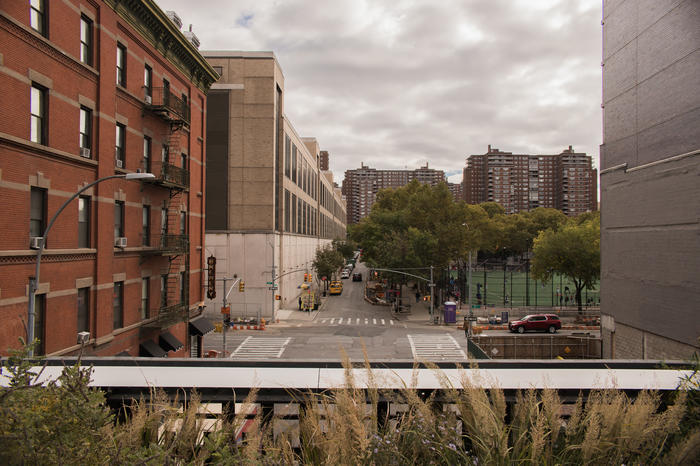
In the last decade, the housing issue has become one of the central questions of our time in both the United States and Europe. This project brings together research on housing supply, housing inequality, and homelessness. We focus on an aspect of today’s housing debate that has received comparatively little attention: the distribution of living space across different population groups. The project examines the social and economic drivers of overcrowding and underoccupation, and investigates how the objective availability of living space relates to individuals’ subjective assessments of their housing situation. A further part of the project analyzes the determinants of homelessness, which has become a major public policy challenge in the United States.

Gender, Policy, and Labor Markets

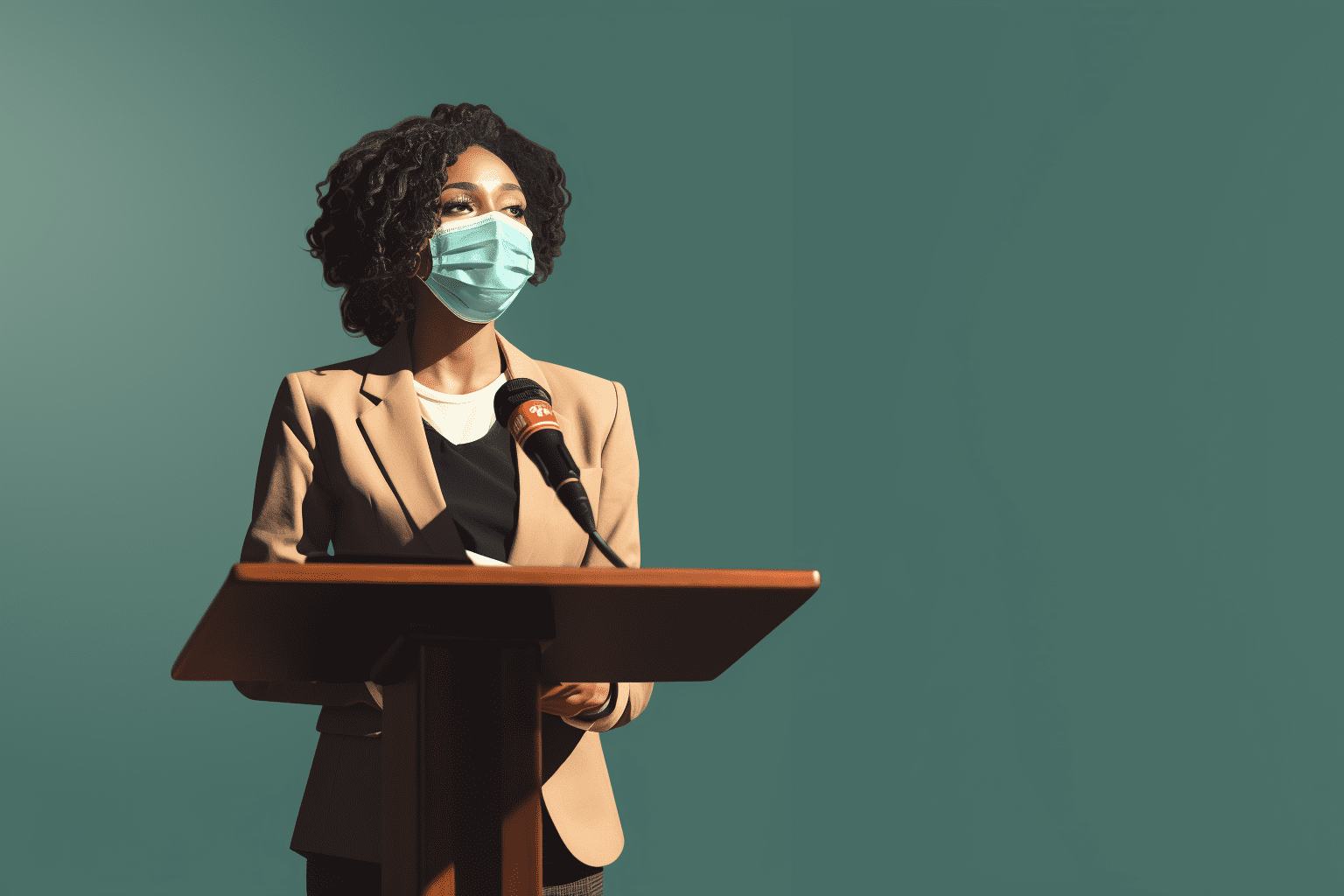
This project brings together research on the links between gender, policymaking, and labor market participation. We study whether women’s political representation influences policy choices, focusing in particular on school closures during the COVID-19 pandemic. The findings show a strong negative relationship between the share of women in national governments and school closures. Further projects examine how natural disasters affect women’s labor force participation and how gender norms shape the employment outcomes of female immigrants.